
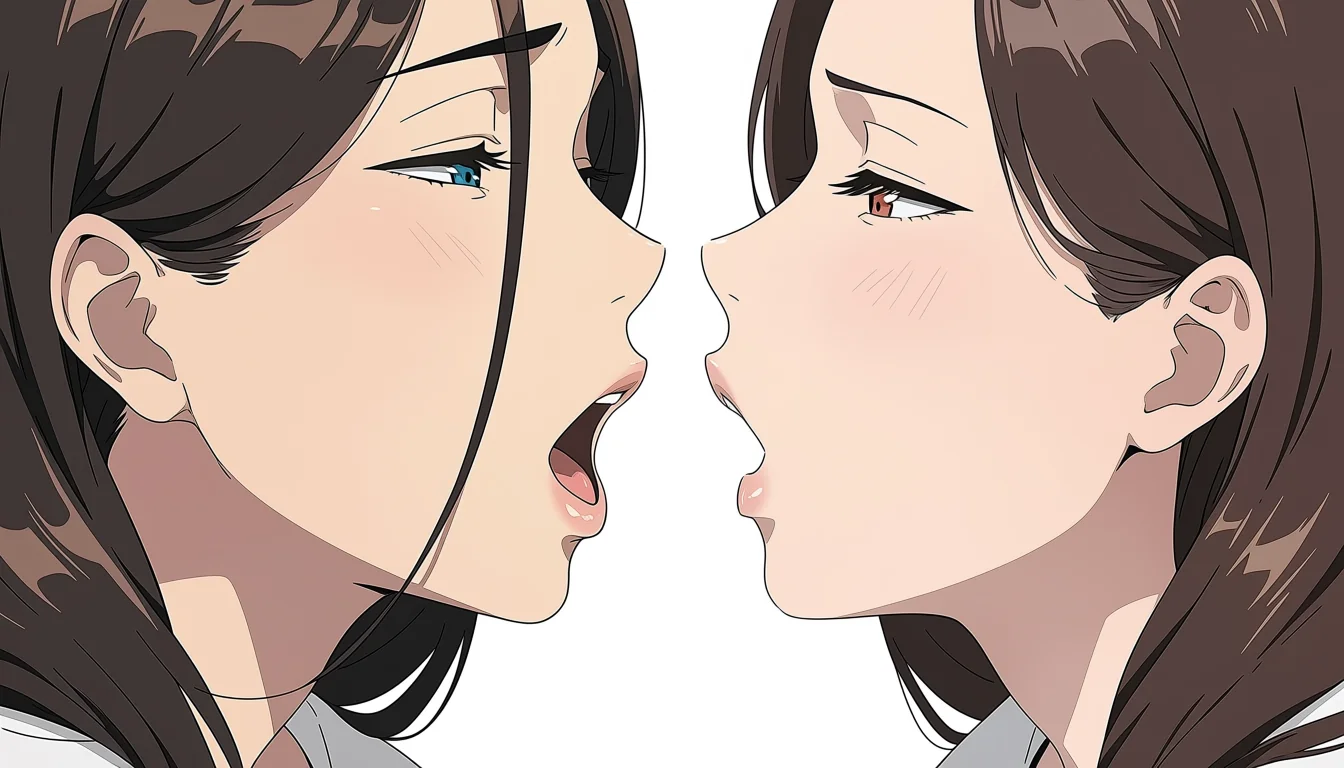
Scenes with a single character are structurally the opposite of everything discussed about two-handers. There is nobody to react, nobody to be surprised, and no exchange of attention to build from. Everything that a second person would have supplied has to come from somewhere else, and working out where is the whole craft problem of the form.
The failure mode is a sequence of images that shows an activity and communicates nothing about the person doing it. That is a real risk, and avoiding it requires deliberate decisions about framing, environment and time rather than about the activity itself.
Environment does the talking
With no second person, the room becomes the other character. What is on the floor, what is on the walls, whether the bed is made, what time the light suggests, what has been left half-finished on a table. All of this is characterisation, and it is available at no narrative cost because it does not require anybody to say anything.
This is where a built and dressed set pays off directly, as described in the piece on set reuse. A location that has accumulated evidence of a life gives a solo scene a subject, which is exactly what it otherwise lacks.
Framing decides private or observed
The single most consequential choice is where the viewer stands. A camera at the character's own level, close, with her attention directed inward, reads as private and invites identification. A camera positioned as though hidden, or at an angle no person in the room could occupy, reads as observation and produces a very different scene.
Neither is wrong, but they are different pictures with different meanings, and choosing by default rather than deliberately is how work ends up saying something its maker did not intend. This is the same question about viewer position raised in the piece on the nude and the naked.
Duration carries the emotion
In sequential or animated work, how long the scene stays on something is most of what it means. A held moment before anything begins says one thing; cutting straight to activity says another. Solo scenes are particularly sensitive to this, because there are no other events to structure the pacing around.
Stillness works especially hard here. A panel or shot where nothing much happens gives the reader room to attribute an interior state, and attribution is what turns activity into a person. The mechanics of that are covered in the piece on holds.
Faces and what they can carry
Solo scenes place unusual demands on facial expression, since it is the only direct channel to interiority available. That argues for keeping the face in frame more often than genre convention does, and for spending the drawing effort there rather than elsewhere.
It also argues for restraint. A face carrying one clear, slightly understated expression reads as a person; a face carrying an extreme one reads as performance, which reintroduces the observed framing whether or not the composition did. The mouth structure that supports this is covered in the piece on drawing the mouth.
What the scene is actually about
The strongest solo scenes are about something other than the activity: a decision, a memory, a state of mind, a thing that happened earlier that day. That subject is what gives the framing and pacing something to serve, and without it the scene has technique and no content.
Deciding the subject before drawing anything is the practical version of this. It takes a sentence, and the sentence determines the room, the light, the framing and the duration, which is a remarkable amount of work for one line of planning.
Making a single-character scene carry weight
In short: decide what it is about, dress the environment to say it, choose the viewer's position deliberately, keep the face available, and let duration do the emotional work. None of this concerns the explicit content at all, which is usually the correct sign that a scene has been thought about properly.
Characters here are fictional and unmistakably adult, as set out in the reader agreement.