
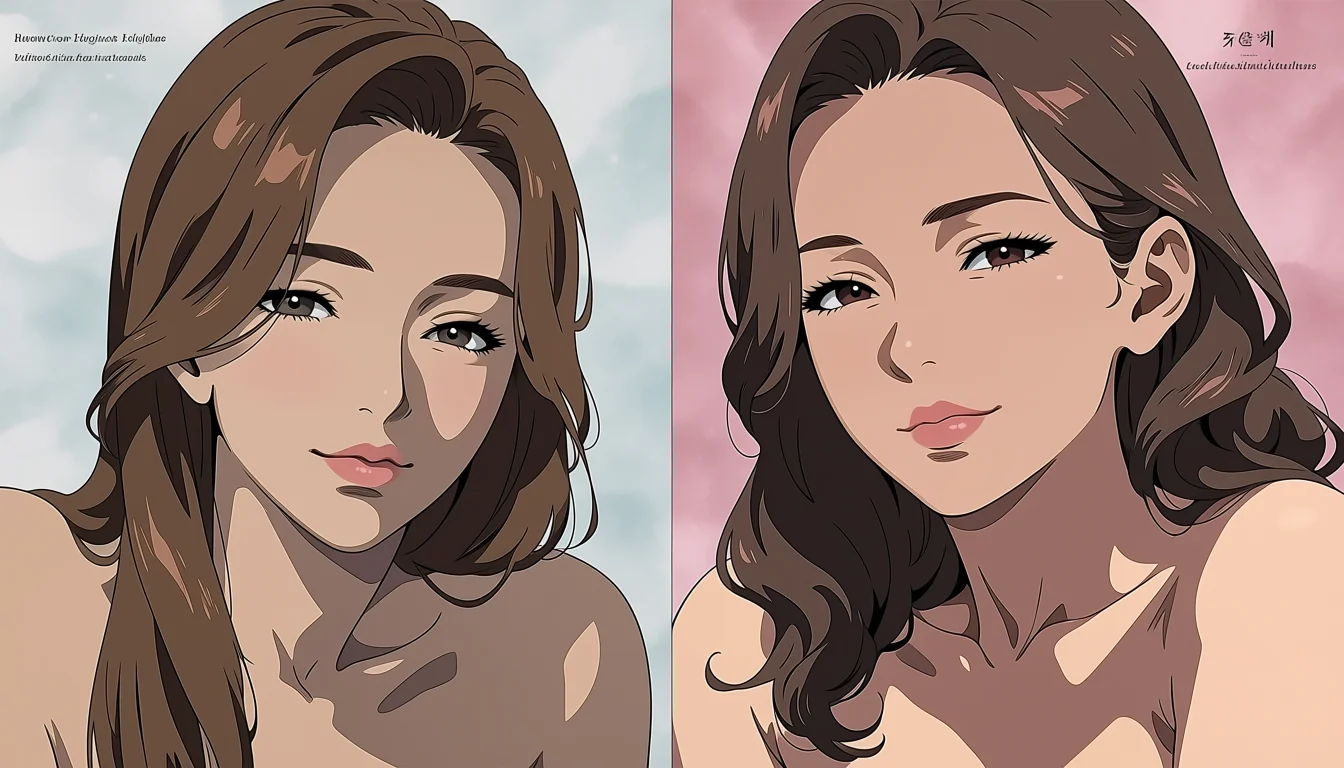
A well-known argument in art criticism separates the nude from the naked. The nude, in that account, is a composed form addressed to an ideal viewer; the naked is a specific body without that protective framing. The distinction has been used snobbishly for a long time, and it is also genuinely descriptive, which is an awkward combination that makes it worth examining rather than dismissing.
For anyone drawing bodies today the practical value is not in deciding which category is superior. It is in noticing that images position viewers, that the positioning is a choice, and that most artists make it by default rather than deliberately.
What the distinction claims
The claim is that a nude is a body converted into a formal arrangement, generalised, smoothed, and presented as a subject for contemplation. The naked body is particular: this person, with these marks and this history, aware of being seen. The first invites appreciation, the second invites recognition, and they feel completely different to look at.
None of this depends on how much is covered. A fully dressed figure can be framed as a nude in this sense, and an undressed one can be entirely unerotic. What changes is the relationship the image proposes between the person shown and the person looking, which is a compositional and editorial matter rather than a matter of content.
The fair criticism of it
The distinction was used for a long time to launder respectability: work that met certain formal conventions was art, and work that did not was indecent, with the boundary policed by people whose taste happened to coincide with their class. That history is real and it is a reasonable ground for suspicion of the whole framework.
It also mapped uncomfortably onto who was allowed to look and who was there to be looked at, a point made forcefully by critics from the nineteen seventies onward. Any use of the distinction today has to carry that criticism with it rather than pretend the term is neutral.
Why it still describes something
Set the snobbery aside and a real observation remains. Images do position viewers, and the position is legible. A figure who is aware of being seen and looks back proposes one relationship; a figure composed as a formal arrangement proposes another; a figure absorbed in something private proposes a third. These are different pictures with different effects.
This matters directly for intimate work, where the position a viewer is placed in determines a great deal about how the scene reads. It is closely related to the choreography questions in the piece on visible consent, where where the viewer stands is part of what the image says.
Particularity is usually the stronger choice
Generalised bodies are easier to draw and weaker to look at. Specific ones, with actual proportions, marks, postures and habits, are harder and considerably more affecting, because recognition is a stronger response than appreciation. This is also the argument against a narrow default made in the piece on the default body.
Particularity also protects against a specific failure of adult illustration, which is interchangeability. Work made of generalised bodies produces images that could be about anyone, and images that could be about anyone are difficult to care about for more than a moment.
What this means for drawn adult work
Adult illustration does not need permission from art history and should not be seeking it. What it can usefully take is the vocabulary: an awareness that address, particularity and the position of the viewer are things you decide, and that deciding them deliberately produces better work than inheriting them from whatever you read last.
The parallel question about genre labels and inherited vocabulary is covered in the piece on where the words came from, which describes a similar pattern of terms carrying history that their users no longer see.
Deciding how your images address a viewer
Ask three questions of any figure drawing: is she aware of being seen, is she a particular person or a general one, and where is the viewer standing. Answer them deliberately and the image acquires a point of view. Leave them to default and the image will still have answers, just not ones you chose.
Characters here are fictional and unmistakably adult in every case, as set out in the reader agreement.