
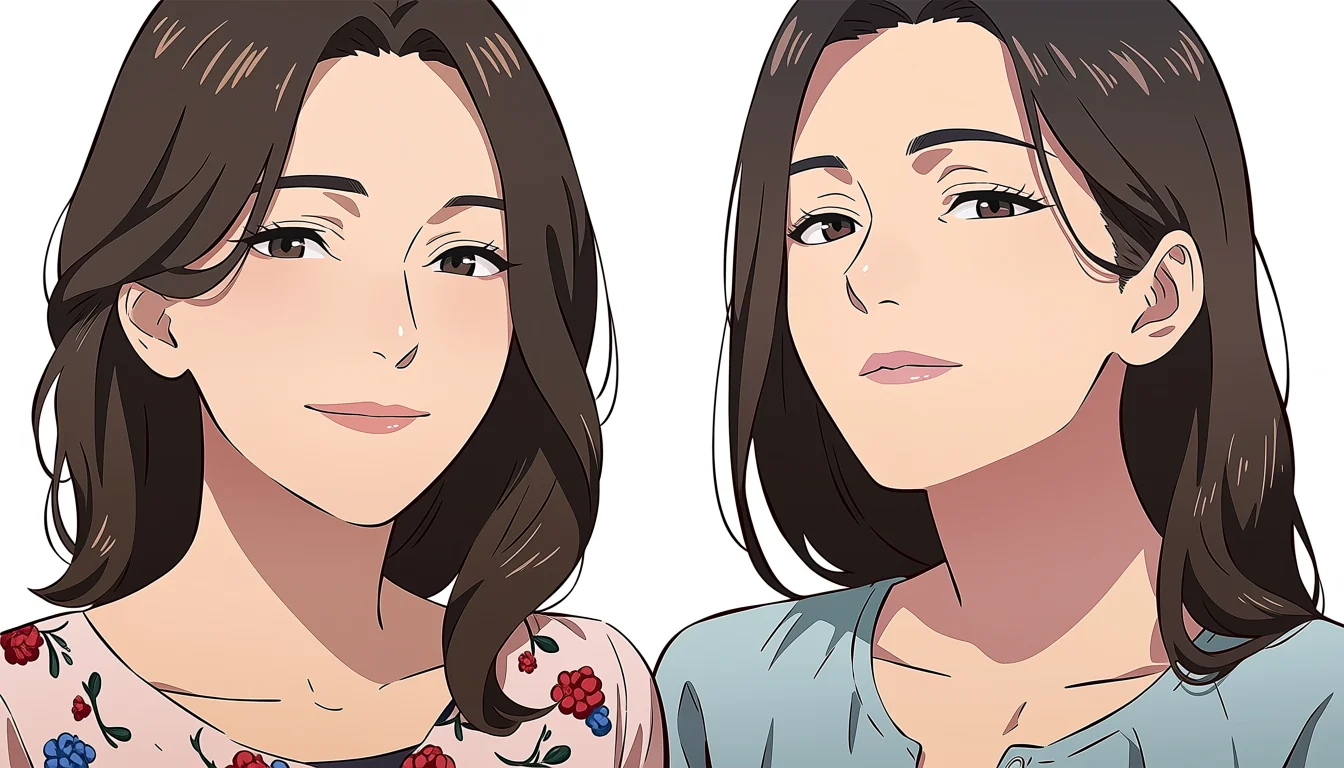
Short work is often treated as practice for real work, which gets it exactly backwards. A single page or a ten-second animated piece is a demanding form with its own rules, and most attempts fail for the same reason: they are compressed versions of something longer rather than things designed for the space available.
The core constraint is that a small space holds one idea properly. Two can sometimes work if they are closely related. Three will not, no matter how efficiently they are executed, because the reader has no time to accumulate anything.
Choose the one idea
Before drawing, write the single thing the piece is about in one sentence. Not the situation, the idea: what the reader should be left with. Everything that does not serve that sentence is a candidate for removal, and in short work almost everything that does not serve it should actually be removed.
The most common failure is including the setup. A short piece rarely has room to establish who these people are and then do something with it. The setup has to arrive implicitly, through costume, setting and behaviour, so the available space goes to the thing that only this piece can do.
Implication does the establishing
Readers infer a great deal from very little. Two people sharing a kitchen at an odd hour, one wearing the other's jumper, tells a competent reader most of what they need without a line of explanation. This is the environment-as-characterisation argument from the piece on solo scenes, applied under tighter constraints.
The skill is choosing details that carry a lot. A worn object, a specific piece of clothing, a domestic habit. Generic details carry nothing and cost the same amount of space, which is why short work rewards specificity more heavily than long work does.
Endings carry more weight
With less before it, the final beat of a short piece carries proportionally more. It is also the part most likely to be rushed, because the maker has spent their attention on the setup and arrives at the end with little left. Building backwards from the ending is usually the better order.
A useful discipline is to draw or animate the last beat first, then work out the minimum needed to make it land. That tends to produce shorter, sharper pieces than working forward and stopping when the space runs out, which is how most weak short work is actually made.
Short does not mean cheap
Per unit of finished work, short pieces are expensive. There is no room for filler, every element is scrutinised, and the ratio of thinking to drawing is high. Animated shorts are the extreme case, as noted in the piece on what the field covers, where labour per finished second is highest.
Recognising this prevents a common frustration, where an artist assumes a short piece should take a short time and then feels slow. The time goes into decisions, and decisions do not get faster by being about less material.
Short work as a body rather than a piece
Individually short pieces are slight; collectively they can be substantial. A series of them, sharing characters or a format, accumulates into something readers follow, which is why so many artists build an audience this way before attempting anything long.
That also solves the setup problem, since a recurring cast means establishing work is done once and reused. The naming and series consistency that make this legible are covered in the piece on titling.
Format constraints help
Fixing the shape in advance removes a whole category of hesitation. A four-panel strip, a single portrait page, a ten-second loop: each of these is a container with known dimensions, and working inside a known container is faster than deciding the size of every piece from scratch. Artists who post regularly almost always have a fixed format underneath, and it is usually the reason they can post regularly at all.
The format also becomes recognisable, which helps readers find and follow the work. A shape repeated fifty times reads as a body of work in a way that fifty different shapes do not, and that recognition is worth more than the variety it costs, particularly in feeds where a reader is deciding in a fraction of a second whether something is yours.
Getting one idea into a small space
Write the sentence, imply the setup, build backwards from the ending, choose specific details, and accept that the work takes longer than its length suggests. Then do it repeatedly with a consistent cast, so the pieces accumulate into something.
Characters here stay fictional and unmistakably adult regardless of length, as set out in the reader agreement.