
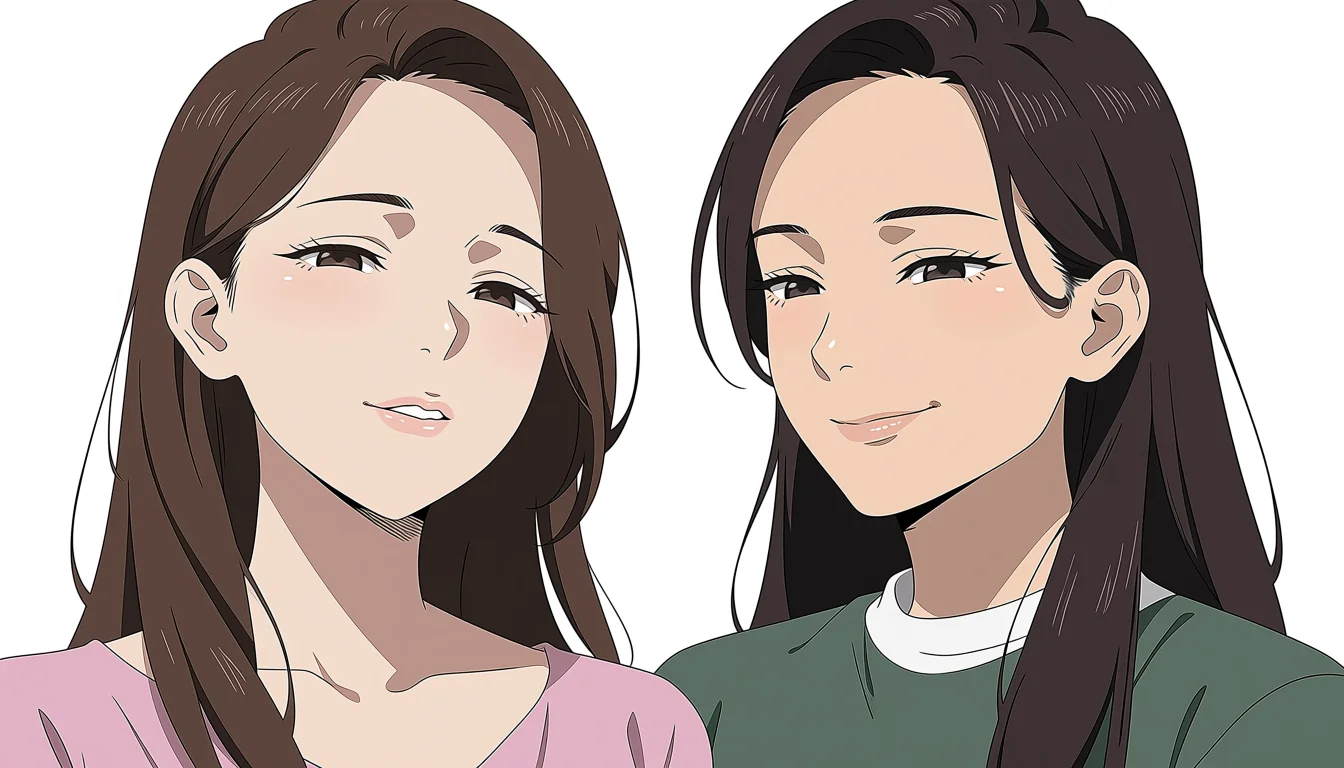
Making work based on something an audience already knows changes the terms completely. Readers arrive with an established relationship to the characters, opinions about what they would and would not do, and a memory of how the original felt. None of that applies to original work and all of it applies here.
This is true of licensed adaptation and of unofficial work equally, though the rights position differs sharply between them. The audience relationship is the same either way, and it is what determines whether the work is received well.
Fidelity to effect, not to detail
Adaptations that reproduce every detail frequently feel wrong, and ones that change a great deal frequently feel right. What readers are protecting is the effect: how the original felt to read, what the relationships were like, what mattered.
That means changes to plot, setting and structure are usually tolerated, and changes to how characters treat each other are not. The medium-level version of this argument is in the piece on adapting comics to animation, where structural change is necessary and effect must survive it.
Characterisation is the protected thing
Readers form relationships with characters rather than with plots, and a character behaving in a way that contradicts their established self is the change that generates the strongest objection. It reads as the adapter not having understood the work.
This applies most sharply in intimate material, where the question of how these specific people would behave with each other is the entire subject. Getting that right is what separates work that an existing audience embraces from work it rejects, regardless of drawing quality.
Announce the interpretation
Presenting an adaptation as definitive invites comparison against every reader's own version, which nothing survives. Presenting it as one reading, clearly, sets a fairer standard and readers respond to it much more generously.
This is the honest-signalling argument from the piece on erotic and pornographic modes, applied to a different variable. Being clear about what a work is doing prevents most mismatched expectations.
What an existing audience gives you
In exchange for the constraints, an adaptation inherits an enormous amount of setup. Characters do not need introducing, relationships do not need establishing, and the reader arrives already invested, which is a considerable amount of narrative work already done.
That is why so much work in this area is adaptation or derivative: the economics are genuinely favourable. It also means the parts you do have to write can be more focused, since the space usually spent on establishment is available.
The rights position differs
Licensed adaptation carries obligations to a rights holder and a set of approvals. Unofficial derivative work occupies a much less certain position that varies by jurisdiction, and its commercial exploitation is where the risk concentrates, which is one practical argument for original characters made in the piece on where the money comes from.
Neither is a reason not to make the work, and both are reasons to understand what you are making before building a business on it. Licensing requires clear ownership, and derivative work does not provide it.
What transfers to original work
The discipline of adaptation, working out what an audience is protecting and why, is directly useful for original work, since it is the same question as what a series' readers value. Adapters develop an unusually sharp sense of what is load-bearing in a story.
That is the genre-conventions argument from the piece on genre expectations, learned from a different direction and equally applicable.
The audience is not one audience
Any well-known work has several readerships with incompatible views of what it is about, and an adaptation cannot satisfy all of them. Attempting to produces something cautious that satisfies none, which is the commonest failure mode in this territory and the least interesting one.
Choosing a reading and committing to it is the better route, because the readers who share that view will recognise it immediately and the others were never reachable anyway. That is the same argument as choosing a mode rather than hedging between two, and it applies with more force here because the disagreement predates the work.
Making work from something people already love
Preserve effect rather than detail, protect characterisation above everything, present the work as one reading rather than as definitive, use the inherited setup deliberately, and understand the rights position before it matters commercially.
Characters here are fictional and unmistakably adult, and real-person likeness is never used, as set out in the reader agreement.